I’ve developed a sniff-test for AI discourse.
Whenever someone starts waxing poetic about superabundance, heaven on earth, or a future where all jobs are optional, I lean in a little closer and inhale. Not to argue. Not to fact-check. Just to smell.
Core pieces on personal authorship, self-direction, dealing with AI agency drama, ego patterns (right-wing or otherwise), marriage/divorce as diagnostic/mastery.
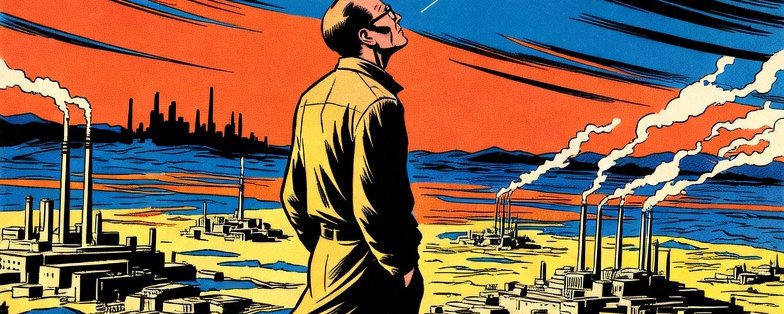
 By Angel Criado
 I’ve developed a sniff-test for AI discourse.
Whenever someone starts waxing poetic about superabundance, heaven on earth, or a future where all jobs are optional, I lean in a little closer and inhale. Not to argue. Not to fact-check. Just to smell.
Read more: The Sniff Test: When AI “Abundance” Starts Smelling Like Self Extinction
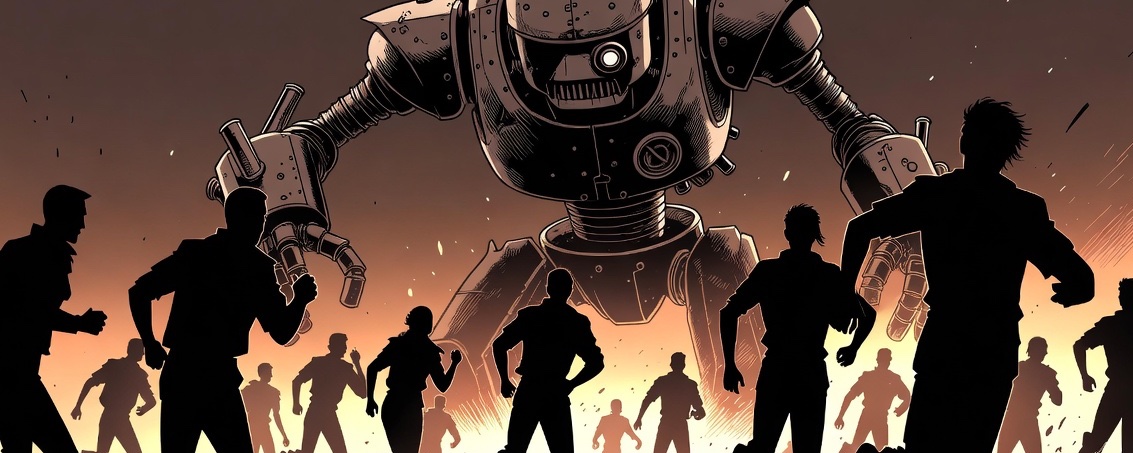 By Angel Criado
 The scariest thing about AI isn’t that it might become a monster. It’s that it’s becoming an alibi.
Jeff Bezos has been making the rounds with a posture I understand—and still think is dangerously incomplete. He’s argued that people should be more excited than discouraged about AI, that the benefits will be “gigantic,” and that AI will raise quality and productivity across virtually every industry. He’s also described the current wave as an “industrial bubble,” where capital floods both good and bad ideas, but the underlying technology is real.
Read more: The AI "Monster" Isn't the Problem. The Illusion Is.
 By Angel Criado
 Something useful has been happening in public lately, and it’s easy to miss because it’s ugly.
High-profile political feuds—especially on the right—have slid past policy disagreement and into the bluntest personal degradation imaginable. Not wit. Not satire. Just anatomical humiliation and bodily contempt, fired off at scale for attention.
Read more: The Archons of Outrage: How X Lets Vulgarity Register Raw
 By Angel Criado
 “It was only thirty dollars.”
That was how she said it at first, almost laughing. A small thing. Barely worth paying attention to. She was talking about jury duty—something most people treat as an inconvenience and then forget.
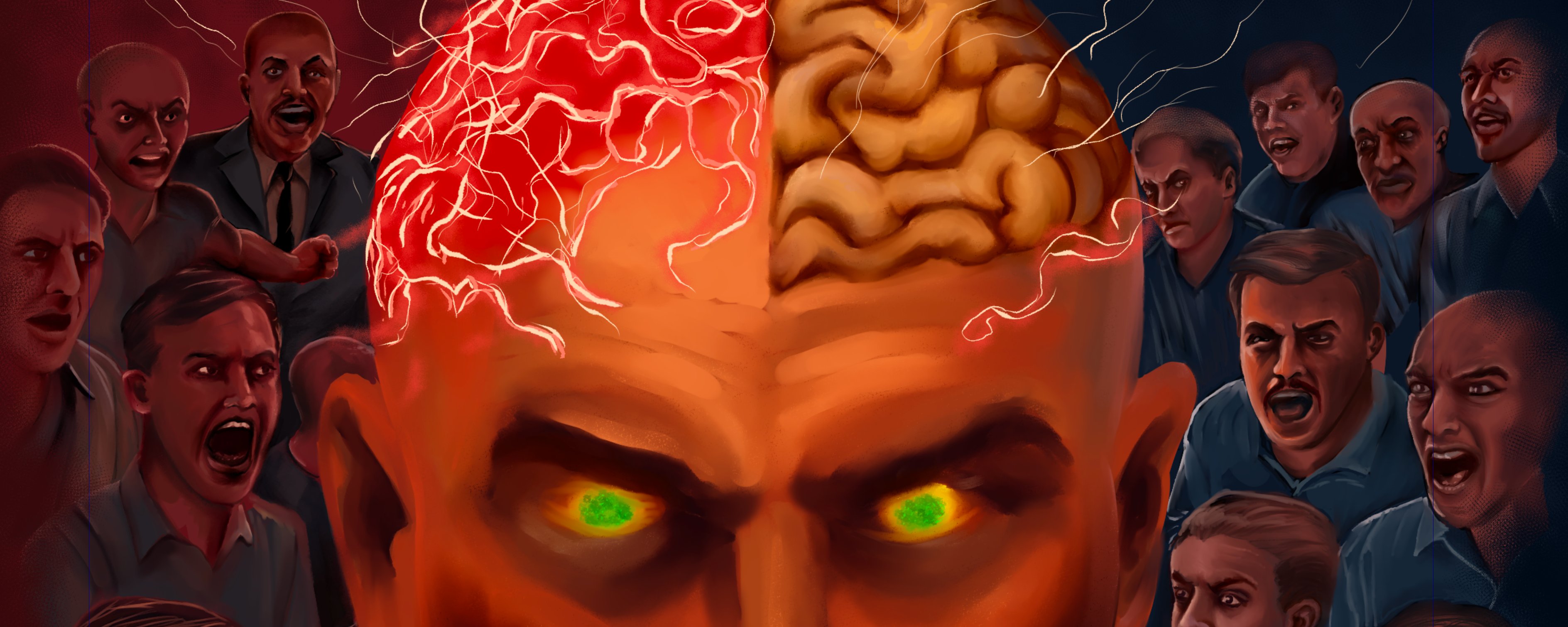 By Angel Criado
 Most discussions about AI and authorship are misplaced. They argue about originality, creativity, voice, ownership, or ethics. They ask whether AI can “write as well as” humans, or whether humans can still claim credit for work produced with tools. All of that assumes the same thing: that authorship is primarily about producing content. It isn’t.